
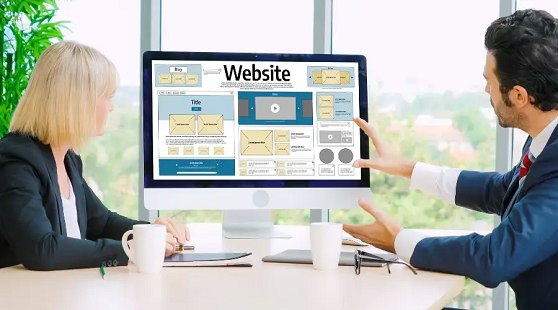
Modern customers judge a business within seconds of landing on its website. Their expectations continue to change as technology and online behavior evolve. In 2026, success depends on building functional websites that are fast, secure, engaging, and helpful for real users. Businesses that focus on meaningful features of the web experience can build stronger relationships, improve visibility in search results, and increase conversions.
This blog explains the most important changes shaping web features today and what customers truly expect when they interact with your digital presence. These insights are based on real user behavior, search trends, and performance standards shaping online experiences this year.
Why Modern Web Experiences Matter More Than Ever
User experience is now directly connected with business growth. Customers want fast answers, simple navigation, and trustworthy information. When websites feel confusing or slow, visitors leave quickly and often choose a competitor.
Search engines are also prioritizing helpful content created for people. This means content structure, clarity, and real-world usefulness influence rankings more than ever. Businesses must focus on strong website functionality rather than only visual appeal.
At Image Media Production, the focus is on creating practical digital experiences that guide visitors naturally toward action. This approach supports engagement, improves search visibility, and builds credibility over time.
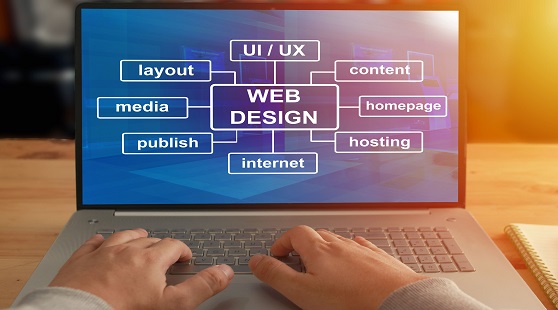
1. Fast Loading Speed Across All Devices
Speed remains one of the most critical features of the website experience. Customers expect pages to load instantly whether they use mobile data or high-speed broadband. Even a few seconds of delay can lead to frustration and lost opportunities.
Performance optimization now includes compressed media files, clean coding structure, and reliable hosting environments. Businesses that invest in performance improvements often notice longer visit durations and higher interaction rates.
Fast websites also support better indexing and ranking in search engines, helping brands stay visible to their audience.
2. Mobile-First and Adaptive Layout
Mobile traffic continues to dominate online activity. A mobile-first approach ensures that content remains readable, buttons remain clickable, and navigation remains simple on smaller screens. Adaptive layouts adjust automatically based on device size and orientation. This improves usability and makes browsing comfortable for users who switch between smartphones, tablets, and desktops.
Customers expect seamless continuity across devices. When design and functionality for website use align with this expectation, engagement improves naturally.
3. Clear Navigation and Structured Content
Visitors prefer websites that help them find information quickly. Clear menus, logical page hierarchy, and well-organized sections reduce confusion and support user confidence. Structured headings and readable content also help search engines understand the topic relevance of each page. This strengthens visibility and helps businesses reach users who are actively searching for services.
Simple navigation is one of the most valuable web features because it directly influences user satisfaction and time spent on site.
4. Strong Security and Privacy Protection
Online safety has become a top concern for customers. Secure browsing environments help build trust and encourage users to interact with forms, payments, and downloads.
Businesses must implement secure connections, data protection measures, and transparent privacy policies. Customers often check security signals before sharing personal information. Reliable protection systems also reduce the risk of cyber threats that could harm brand reputation or disrupt operations.
5. Helpful Content That Solves Real Problems
| Topic | Explanation |
| Customer Expectations | Customers expect websites to provide clear answers, not only promotional messages. |
| Informative Content | Blogs, service explanations, guides, and FAQs help visitors make informed decisions. |
| Search Visibility | Helpful content improves search visibility because it matches user intent. |
| Authority & Trust | Sharing practical insights and real experiences helps businesses build authority and long-term trust. |
| Content Relevance | Content relevance is more important than quantity in modern digital strategies. |
| Consistent Updates | Regular updates and accurate information show that a brand values its audience. |
6. Interactive Elements That Encourage Engagement
Modern web features include interactive tools that make browsing more interesting. Examples include dynamic forms, calculators, chat support, and feedback options. These elements allow customers to participate rather than just observe. Engagement signals often influence search performance and brand perception.
Businesses that encourage interaction often see stronger connections with their audience and higher conversion rates.
7. Visual Consistency and Brand Identity
Customers remember websites that feel consistent and recognizable. Visual harmony across colors, typography, and imagery creates a professional impression. A clear identity helps users feel confident about the authenticity of a business. When branding aligns with website functionality, visitors experience a sense of reliability and clarity.
Consistency also supports marketing efforts across social platforms and advertising channels.
Read More Here:- How to Choose the Right Creative Partner for Your Business
8. Accessible Design for All Users
Inclusive design ensures that everyone can access information easily. This includes readable fonts, proper contrast, keyboard navigation, and alternative text for images. Accessibility is not only ethical but also beneficial for search visibility and audience reach. Businesses that focus on accessibility often gain wider engagement and improved reputation.
Functional websites that serve diverse audiences are more likely to succeed in competitive markets.
9. Performance-Focused Media and Visual Storytelling
Images and videos play an important role in online communication. However, heavy media files can slow down performance. Optimized visuals allow businesses to share stories while maintaining speed. Balanced use of graphics supports emotional connection without compromising usability. Customers appreciate websites that combine meaningful visuals with smooth performance.
This balance strengthens both engagement and search presence.
10. Data-Driven Improvements and Continuous Optimization
| Topic | Explanation |
| Changing Customer Expectations | Customer expectations evolve constantly, so businesses need to stay updated with user needs. |
| Monitoring User Behavior | Tracking user behavior and analyzing engagement patterns helps improve the web experience. |
| Continuous Improvement | Ongoing improvements help websites remain relevant and competitive in the digital space. |
| Regular Updates | Updating content, refining information, and improving technical performance support long-term success. |
| Growth-Focused Approach | Organizations that treat their website as an evolving platform rather than a static brochure often achieve stronger growth results. |
Key Web Features Customers Expect in 2026
- Fast page speed and smooth browsing
- Simple navigation and structured content
- Mobile-friendly layouts
- Secure browsing environment
- Helpful and relevant information
- Interactive tools and feedback options
- Accessible design standards
- Consistent visual identity
Building Trust Through Real Experience
Customers value authenticity. Sharing real case studies, testimonials, and transparent service processes helps businesses demonstrate credibility.
Experience-driven content supports search performance because it reflects practical knowledge rather than generic messaging. Brands that communicate honestly create stronger relationships and long-term loyalty. Image Media Production focuses on building trust through practical strategies that align with modern user expectations and search standards.
The Role of Technology in Website Functionality
Technology continues to shape website functionality in powerful ways. Automation tools, smart analytics, and adaptive design systems help businesses deliver smoother experiences. However, technology must support user needs rather than complicate navigation. Practical implementation ensures that innovation contributes to usability rather than distraction.
Balanced integration of modern tools helps create functional websites that support both engagement and growth.
Preparing Your Website for Future Search Trends
Search engines increasingly prioritize content quality, user satisfaction, and performance signals. Businesses must align their strategies with these evolving requirements.
This includes improving site structure, refining content clarity, and ensuring technical reliability. Consistent optimization helps maintain visibility and reach new audiences.
Customer expectations in 2026 revolve around simplicity, trust, speed, and usefulness. Businesses that invest in meaningful improvements will stand out in competitive digital spaces, especially when they maintain active engagement through platforms like Google Business Profile and Facebook to build visibility and customer confidence.
A strong focus on practical web features helps create positive experiences that encourage visitors to stay longer and take action. At Image Media Production. aligning design, content, and performance with real user needs helps brands achieve sustainable online growth.
When your website begins to feel outdated or less effective, it may be the right moment to explore smarter improvements that help your audience connect more easily.Phone: 979-549-8543
FAQ
Q1. Why are modern web experiences important for business growth?
They influence customer trust, search visibility, and engagement. A well-structured site helps visitors find information easily and increases conversion potential.
Q2. How often should website functionality be updated?
Regular reviews every few months help maintain performance, security, and content relevance based on changing user behavior.
Q3. Do fast websites really improve search rankings?
Yes. Speed affects user satisfaction and performance signals that search engines consider when ranking pages.
Q4. What makes functional websites different from basic websites?
Functional websites focus on usability, accessibility, and helpful content rather than only visual design. They guide users toward meaningful actions.